The Algorithmic Clash Between Washington vs Australia
Washington’s rare, public rebuke of Australia's proposed digital duty of care laws, highlighting how a clash over algorithmic opt-outs has escalated into a high-stakes battle between domestic user safety and American tech interests.

2 min read · Sydney, Australia
n the tightly managed playbook of trans-Pacific diplomacy, close allies rarely trade public blows over domestic statute drafts. Yet Washington has shattered that protocol, launching a sharp, unvarnished rebuke of Australia’s sweeping new digital safety legislation. In an official submission posted by the U.S. Embassy in Canberra, the Trump administration took direct aim at the Albanese government’s proposed "Digital Duty of Care" bill—specifically targeting its flagship provisions forcing social media giants to provide an "opt-out" mechanism from algorithmic feeds. Washington warned that framing platform design mandates around ambiguous definitions of online harm risks opening the door to "viewpoint-based censorship" and imposing unacceptable compliance burdens on U.S.-headquartered tech behemoths.
The intervention marks an extraordinary escalation in the global tug-of-war over digital regulation. At the heart of the friction is a fundamental philosophical split. Australia’s proposed framework—building on the country’s aggressive legislative push that includes a world-first social media ban for children under 16—would compel platforms like Meta, Google, and TikTok to give millions of users the choice to bypass engagement-driven algorithms in favor of a neutral, chronological feed.
But the U.S. government argued that because tech platforms typically build features on a global scale rather than market-by-market, Australia's local mandate would trigger systemic, extraterritorial changes. Washington contended that preemptive content filtering compelled by Canberra could inadvertently suppress protected speech worldwide, restricting the reach of independent journalists and minority viewpoints under the guise of safety.
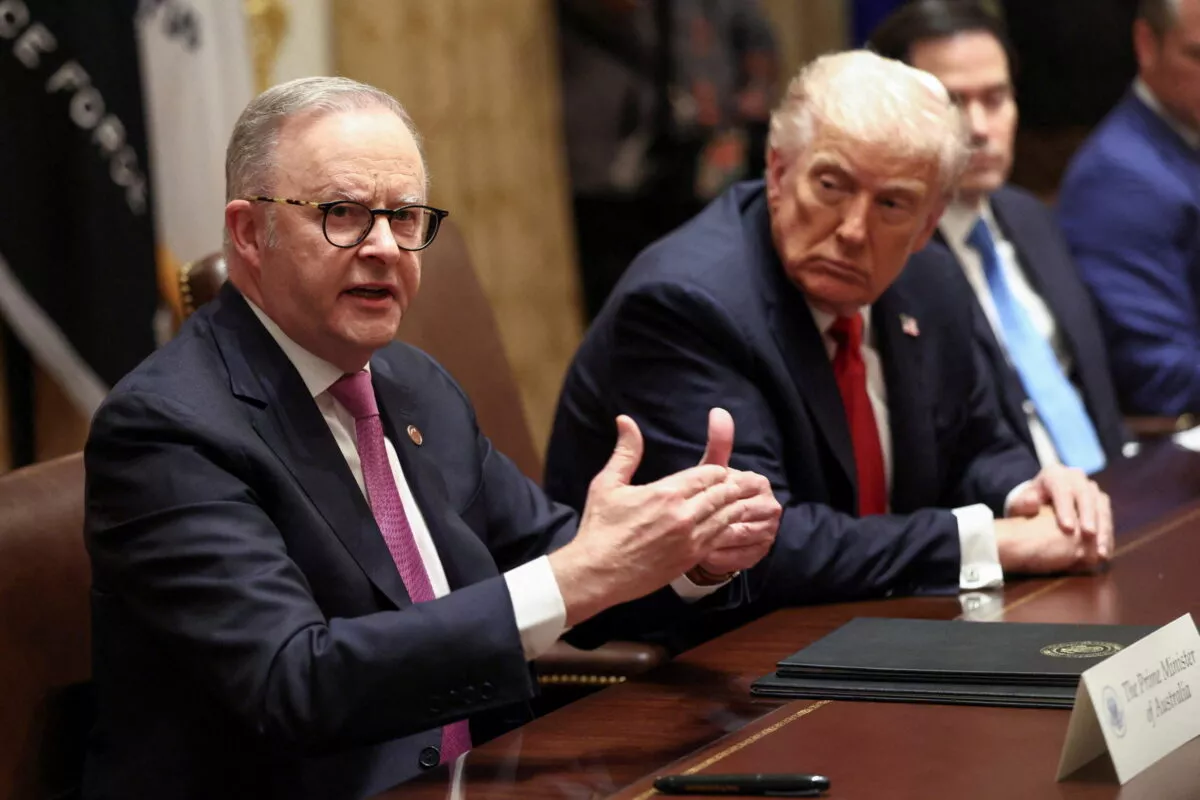
Prime Minister Anthony Albanese, who faced the diplomatic crossfire while traveling abroad for the United Nations General Assembly, quickly pushed back against the characterization. Defending the exposure draft, Albanese insisted the policy is designed to put power back into the hands of citizens rather than expand state control.
It's not about giving government control, it's about giving people back control over what they receive on their devices," Albanese told reporters.
Yet, beneath the rhetorical clash over user autonomy lies a high-stakes commercial reality. The legislation bundles its popular algorithm opt-out feature with stringent regulatory enforcement powers managed by the eSafety Commissioner, backed by multi-million-dollar penalties. By framing these compliance mandates as a backdoor to censorship, Washington is effectively drawing a hard red line on behalf of American Big Tech, signaling that extraterritorial interference in platform architecture will face fierce resistance from the White House.
As the consultation window closes, Canberra finds itself caught between a domestic electorate clamoring to tame the influence of social media algorithms and an assertive U.S. administration determined to ensure American digital supremacy remains unchecked abroad.
Investigative journalist covering money, power and accountability.
Comments (1)
Comments are turned off for this story.
- MD zohan
i liked the article.