Inside the Flydubai Flight FZ1073 Incident
shocking mid-air cockpit struggle aboard flydubai Flight FZ1073, detailing the sequence of events from the sudden descent and transmission of hijack codes to passenger intervention
3 min read · London, UK
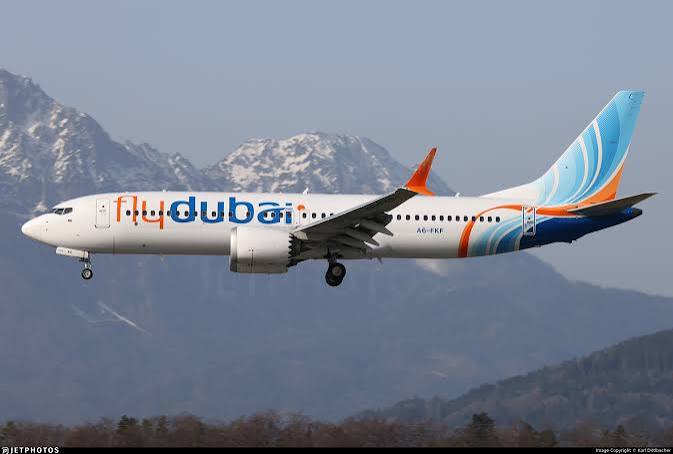
Aviation history is punctuated by rare, terrifying moments where the boundary between routine travel and catastrophic emergency vanishes in seconds. Such was the reality aboard flydubai Flight FZ1073, traveling from Dubai International Airport to Ben Gurion International Airport in Tel Aviv.
Carrying roughly 180 passengers—a significant portion of them Israeli nationals—the flight transformed from a standard regional transit into a gripping international security crisis involving an onboard cockpit struggle, emergency code transmissions, fighter-jet interceptions, and a high-stakes diversion into Saudi Arabia.
Step-by-Step Breakdown of the Incident ** 1. The Ascent and Sudden Silence**
Flight FZ1073 departed Dubai smoothly, adhering to its routine flight path toward Tel Aviv. Roughly two hours into the journey, as the Boeing 737 MAX 8 cruised at an altitude of approximately 34,000 feet, stability inside the cockpit abruptly collapsed.
According to flight-tracking data and passenger accounts, the aircraft suddenly went into a violent, rapid descent, plunging nearly 17,000 feet within roughly 60 seconds.
2. The Cockpit Struggle and Emergency Codes
Behind closed cockpit doors, a brutal physical altercation had erupted between members of the flight crew. Unconfirmed initial reports and subsequent passenger testimonies indicated that an onboard pilot turned assailant launched a sudden knife attack against his colleague, attempting to incapacitate him and seize control of the aircraft's trajectory.
Amid the chaotic physical struggle, the aircraft’s transponder broadcasted critical emergency signals:
- Squawk 7700: The universal code for a general airborne emergency.
- Squawk 7500: The internationally recognized code for unlawful interference, signaling a active hijacking situation.
3. Passenger Intervention and Subdual
As the aircraft violently bucked and dove through the airspace near Jordan, screams echoed from the front of the cabin. Realizing something catastrophic was unfolding, passengers—including a group of brave Israeli travelers and off-duty security-conscious individuals on board—rushed the cockpit barrier.
Eyewitness accounts describe a blood-soaked scene inside the galley and cockpit threshold. Passengers managed to physically overpower the rogue pilot, restraining him and tying him up, while an on-board doctor/dentist administered critical first aid to the severely wounded captain who had been stabbed during the melee.
4. Regional Interception and Emergency Diversion
The erratic flight path and transmission of the 7500 hijack code immediately triggered regional defense alerts. Fearing a catastrophic terror attack or an attempt to crash the plane into populated areas, Israeli authorities scrambled fighter jets to intercept the aircraft.
However, as the plane altered course away from Israeli airspace, it crossed back over Saudi territory. Coordinating an immediate emergency landing, the aircraft touched down safely at Prince Sultan bin Abdulaziz International Airport in Tabuk, Saudi Arabia.
The Current Situation and Aftermath
- The Suspect in Custody: The pilot/co-pilot accused of initiating the attack was immediately taken into custody by Saudi security forces upon landing in Tabuk. Israeli Prime Minister Benjamin Netanyahu and security agencies confirmed that the individual is being heavily interrogated to establish motive, examining whether the incident stems from an isolated psychological break, an internal workplace dispute, or an external terror directive.
- Condition of the Injured: The captain, who suffered severe stab wounds and critical trauma during the cockpit defense, received emergency medical treatment alongside other injured crew members at a local Saudi hospital.
- Repatriation of Passengers: Because Saudi Arabia and Israel do not maintain formal diplomatic relations, the logistics of returning the roughly 180 stranded Israeli passengers sparked immediate high-level diplomatic scrambling. Plans were initiated to deploy a dedicated civil or national carrier (such as El Al) or coordinate a replacement flydubai aircraft out of Tabuk Airport to safely bring the passengers home.
- Global Aviation Security Repercussions: International civil aviation authorities, alongside carriers in the Middle East, have begun reviewing cockpit security protocols, crew vetting procedures, and psychological monitoring standards in the wake of the incident.
What could have easily culminated in an unprecedented regional catastrophe was averted only through rapid structural intervention, defensive piloting, and the raw courage of passengers who rushed into the breach at 17,000 feet.
Global affairs correspondent reporting on diplomacy, conflict and migration.
Comments (0)
Comments are turned off for this story.