Inside Xi Jinping’s High-Stakes Return to Washington
Trump’s unprecedented welcome for Xi Jinping, focusing on how personal diplomacy is being leveraged to salvage an expiring trade truce and contain escalating tech-and-territory flashpoints.

2 min read · Sydney, Australia
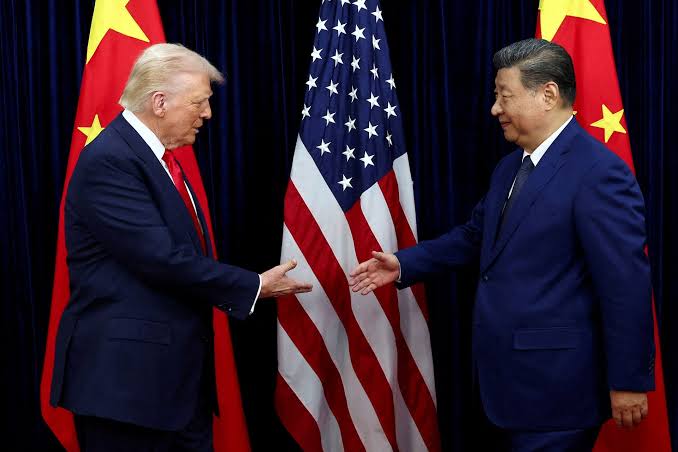
WASHINGTON — In the hyper-choreographed theater of modern superpower diplomacy, few gestures carry the deliberate, high-wire ambiguity of a Washington red carpet. When Donald Trump steps onto the tarmac at Joint Base Andrews to personally greet Chinese leader Xi Jinping for a rare, three-day state visit, the administration is opting for a level of pageantry rarely afforded even to America's closest allies.
For veterans of foreign policy corridors who remember the frosty protocols of past administrations, the visual staging is striking. A military review on the South Lawn, complete with a coordinated overhead display by a B-2 Spirit and F-22 Raptors, matches the lavish hospitality Beijing extended during Trump’s visit earlier this year. Yet for Trump, who has consistently favored personal summitry over institutional friction, transactional optics always override traditional diplomatic comfort.
Beneath the veneer of military bands and state dinners lies a brittle, high-pressure agenda. The talks arrive as the clock ticks down on a fragile, one-year U.S.-China trade truce forged late last year, which is slated to expire in November. Behind closed doors, U.S. Treasury and trade officials are clashing with Beijing's delegation over critical tech supply chains, rare earth mineral restrictions, and mounting economic pressure regarding Chinese circumvention of Iranian sanctions. While Treasury Secretary Scott Bessent has resisted Beijing’s push for a multi-year extension of the tariff truce—opting instead for tighter leash management—the stakes for global markets could not be higher.
The guest list for the high-profile state dinner underscores the economic gravity of the summit. High-tech titans, including executives from Apple, Tesla, OpenAI, and Nvidia, are slated to gather at the White House alongside policymakers, reflecting an uneasy symbiosis between two economic superpowers whose supply chains remain inextricably intertwined even amid deep structural distrust.
Yet, as analysts point out, this summit is less about achieving a permanent grand alignment and more about a high-wire exercise in political management. Both leaders arrive under distinct domestic headwinds—Xi navigating a slowing domestic economy and Trump balancing midterm pressures alongside volatile foreign conflicts. Each leader needs to project absolute strength to their respective domestic bases while ensuring the world's most consequential bilateral relationship does not slip past the point of no return.
As the talks unfold across the capital, culminating in a private presidential tea and a tour of the National Archives, the underlying reality remains unchanged. The red carpet may be rolled out in full display, but the architecture of global trade and security is being hammered out on razor-thin margins.
Investigative journalist covering money, power and accountability.
Comments (0)
Comments are turned off for this story.