New Alternative Battery Technologies Reshaping Renewable Energy Storage
Alternative battery technologies specifically sodium-ion, iron-air, and redox flow systems analysing how they are overcoming the supply-chain vulnerabilities and duration limits of traditional lithium-ion batteries
4 min read · Toronto, Canada
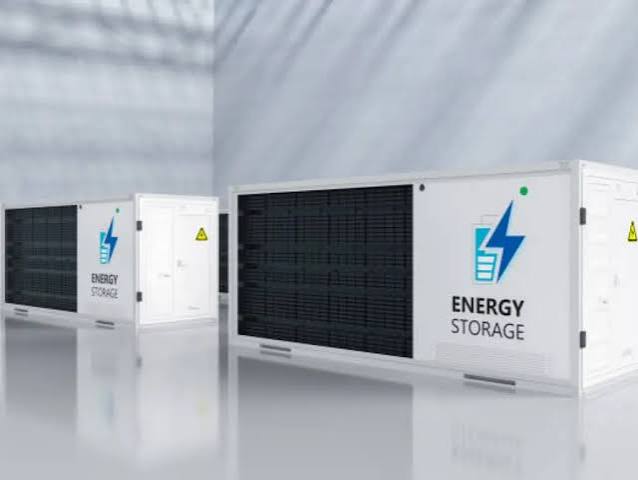
The global energy transition is colliding with an unforgiving physical reality. As solar panels and wind turbines flood modern electrical grids with cheap, intermittent power, the world faces a monumental infrastructure bottleneck: storing that energy efficiently on a multi-hour or multi-day scale.
For the past decade, lithium-ion chemistry has served as the undisputed workhorse of this transition, anchoring everything from electric vehicles to massive utility-scale battery energy storage systems (BESS). Yet, reliance on lithium, cobalt, and nickel brings acute vulnerabilities ranging from volatile supply chains and severe geopolitical extraction dependencies to thermal runaway risks that have plagued dense pack designs.
As the International Energy Agency projects global storage capacity to scale exponentially to meet net-zero targets, a profound technological shift is underway. The next frontier of grid-scale energy storage is breaking away from lithium monopolies, driven by alternative chemistries designed for extreme safety, geological abundance, and long-duration resilience.
The Landscape of Alternatives: Sodium, Iron, and Flow
The alternative battery technology market valued at over $13.5 billion globally and climbing toward a multi-decade expansion path is divided into distinct operational niches. For stationary grid storage, three foundational technologies are leading the commercialization charge:
Alternative Grid Storage Chemistry Matrix
---------------------------------------------------------------------------------
Technology Class Primary Material Base Optimal Duration Key Advantage
---------------------------------------------------------------------------------
Sodium-Ion (Na-ion) Sodium, Iron, Manganese 2 to 6 Hours Zero Lithium / Low Cost
Iron-Air (Fe-air) Iron, Air, Water 10 to 100 Hours Multi-Day Storage / Ultra-Low Cost
Redox Flow (RFB) Vanadium, Zinc/Iron, Salt 4 to 12+ Hours Decoupled Power & Capacity
---------------------------------------------------------------------------------
1. Sodium-Ion: The Abundant Heir Sodium-ion batteries operate on the same intercalation principles as lithium-ion cells, but substitute ubiquitous sodium ions for scarce lithium. Because sodium is chemically similar yet infinitely more abundant—derived cheaply from sodium carbonate or common salt it completely sidesteps the ethical and supply-chain bottlenecks of rare-earth mining.
Leading manufacturers like CATL and HiNa Battery have moved sodium-ion systems out of pilot configurations and into large-scale commercial deployments. Utilizing layered oxide and Prussian white chemistries, sodium-ion containerized systems are capturing a major foothold in utility-scale deployments, boasting superior cold weather performance and inherent fire safety compared to conventional lithium cells.
2. Iron-Air: The Multi-Day Heavyweight Standard lithium and sodium systems are optimized for short to medium-duration storage (typically 2 to 4 hours), making them ideal for evening peak shaving. However, they struggle economically when tasked with bridging multi-day renewable lulls such as weeks of low wind or cloud cover.
Enter iron-air chemistry, championed by innovators like Form Energy. These systems utilize a remarkably simple and inexpensive reaction: "rusting and un-rusting iron." By exposing iron anodes to ambient oxygen and water, the system discharges by oxidizing iron (creating rust) and recharges by reversing the process. Offering up to 100 hours of continuous discharge at a fraction of the capital cost of lithium, iron-air technology is designed specifically to solve the holy grail of grid reliability: seasonal Dunkelflaute (dark doldrums).
3. Redox Flow Batteries: Decoupled Scalability Traditional batteries lock power and energy capacity together inside a sealed cell casing: if you want more storage duration, you must buy more entire batteries.
Redox flow batteries—such as vanadium and zinc-bromine systems shatter this limitation by storing liquid electrolytes in external tanks. Power (determined by the stack size) and energy duration (determined by the volume of liquid electrolyte tanks) are completely decoupled. This allows utilities to scale storage duration outward simply by adding larger holding tanks, making them uniquely suited for heavy industrial microgrids and long-duration renewable smoothing.
Market Trajectory and Economic Realities
The commercial maturation of alternative storage is no longer confined to academic prospectuses; it is tracking massive capital inflows. Industry forecasts indicate that utility-scale sodium-ion and long-duration storage systems are scaling at a compound annual growth rate exceeding 25%, driven by aggressive procurement mandates from grid operators.
However, scaling novel chemistries carries friction. Energy economists note that while alternative materials (like iron and sodium) boast lower raw commodity costs, initial manufacturing lines lack the multi-decade economies of scale enjoyed by legacy lithium gigafactories. Furthermore, volumetric and gravimetric energy density remains lower for sodium and iron-air systems compared to lithium, making them less viable for electric vehicles—though completely irrelevant for stationary land-based utility yards where physical footprint is secondary to levelized storage cost.
The Horizon of Grid Security
As energy grids absorb higher percentages of volatile wind and solar generation, the margin for error narrows. The transition away from a single-chemistry paradigm toward a diversified portfolio of alternative batteries represents a critical maturation of the energy sector.
By marrying the short-duration speed of sodium-ion with the multi-day endurance of iron-air and flow systems, the modern grid is finally equipping itself with the structural redundancy it needs. The future of renewable power will not be stored in a single metal; it will be anchored by the chemistry of abundance.
Sources
Health and science reporter. Public health policy, research, and the systems behind them.
Comments (0)
Comments are turned off for this story.