How Unrelenting Rains and Landslides are Choking Nepal’s Terrain
Severe multi-day rainstorm triggered hundreds of destructive landslides across Nepal

1 min read · India
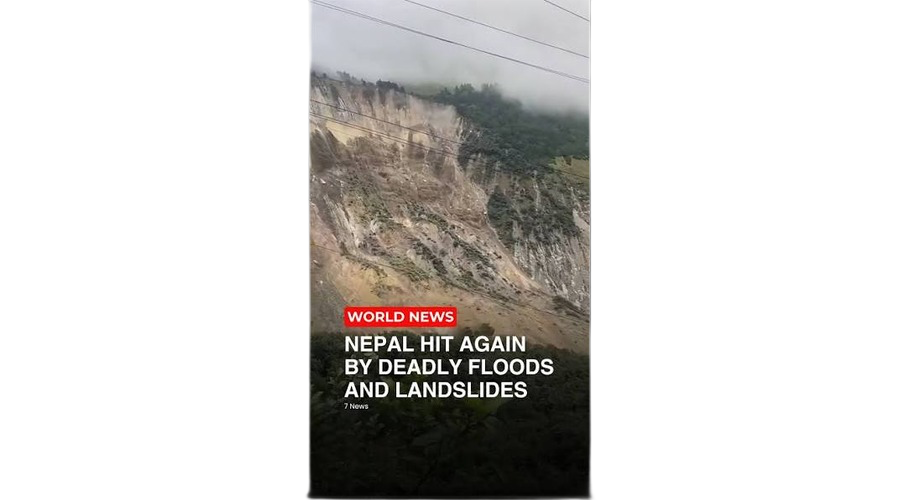
The structural fragility of the Himalayan foothills has once again been laid bare. Following a relentless deluge whipped up by a powerful low-pressure system drifting from the Bay of Bengal, a fresh wave of catastrophic landslides and flash floods has swept across Nepal, claiming dozens of lives and paralyzing major arterial routes.
According to data from the National Disaster Risk Reduction and Management Authority (NDRRMA), over 500 individual disaster incidents were recorded in a brutal four-day window, with landslides accounting for the lion's share of the destruction. From the steep ridges of Baglung and Myagdi to saturated hillsides in Kaski and Tanahun—where rainfall stations logged staggering totals exceeding 500 millimeters—entire communities have found themselves cut off as mudslides tore through homes and infrastructure.
The human and economic toll underscores a grim, recurring reality for the Himalayan nation. With hundreds of homes completely leveled and dozens of bridges compromised, the structural integrity of rural connectivity is fracturing under increasingly erratic weather patterns. In regions like Mustang and Manang, massive debris flows even temporarily dammed major river systems including the Kaligandaki and Marsyangdi, forcing emergency alerts downstream as authorities scrambled to evacuate vulnerable settlements.
While proactive SMS alert systems and localized helicopter evacuations managed to spare thousands from a worse fate, the disaster highlights an escalating crisis. As shifting climate dynamics amplify the intensity of regional monsoons, Nepal’s topography is sliding past the threshold of resilience, turning seasonal rains into systemic structural threats.
Watch
An independent journalist specialising in India's local politics, tech, health environmental issues.
Comments (0)
Comments are turned off for this story.